
The evolution of casinos A journey through time and culture
Historical Origins of Casinos
The history of casinos dates back to ancient civilizations where gambling was an integral part of social activities. The earliest recorded instances of gambling are found in ancient China, where people used rudimentary forms of dice. These early games set the stage for what would evolve into the modern casino. In ancient Rome, people engaged in betting activities, often around chariot races, creating excitement reminiscent of today’s piggy bank game casino.

As societies progressed through the Middle Ages, gambling continued to thrive. In Italy, the term “casino” emerged, meaning “little house,” which referred to places where people could gather to play games of chance. The first official casino, the Ridotto, opened in Venice in 1638, aimed to provide a controlled environment for gambling, showcasing the growing desire for organized gaming within a structured setting.
By the 18th century, casinos began to spread across Europe, becoming associated with elegance and high society. Places like Monte Carlo became synonymous with wealth and extravagance. This era marked the evolution of casinos not just as gambling venues but as social hubs where the elite gathered, thus intertwining gambling with culture, fashion, and entertainment.
Cultural Impact and Transformation
The cultural significance of casinos cannot be understated. They became a focal point for social interaction and entertainment, impacting local economies and tourism. Cities like Las Vegas emerged in the mid-20th century as gambling hotspots, attracting millions with extravagant shows, luxury accommodations, and vibrant nightlife. This transformation reflected a broader cultural shift toward leisure and the pursuit of pleasure, mirroring the changing values of society.
In many cultures, gambling and casinos also carry a moral weight. For some, they represent vice and excess, while for others, they signify excitement and a chance at fortune. This duality can be seen in various media portrayals, from movies to literature, where casinos are often depicted as glamorous yet perilous environments. This dichotomy enhances the allure and mystique surrounding casinos, drawing people into their captivating worlds.
The digital age has further transformed the cultural landscape of casinos, leading to the rise of online gambling. With the advent of technology, players can now experience the thrill of casinos from the comfort of their homes. This evolution has opened up new demographics for gambling, reshaping cultural attitudes and accessibility to gaming, and fostering a diverse range of online gaming experiences.
The Psychology Behind Gambling
The psychology of gambling is a complex interplay of emotion, risk, and reward. Many individuals are drawn to casinos not just for potential financial gain but for the thrill and excitement that come with risk-taking. The anticipation of a win can trigger the brain’s reward system, releasing dopamine and creating a sense of euphoria. This psychological response can lead to a cycle of repeated gambling behavior, making it both an exhilarating and potentially hazardous pursuit.
Research in behavioral psychology has highlighted how environmental factors in casinos enhance this thrill. The design of casinos—dim lighting, vibrant colors, and the sounds of winning—creates an immersive experience that keeps players engaged. Additionally, the availability of free drinks and the absence of clocks contribute to a sense of timelessness, allowing players to lose track of time and money.
Understanding the psychology of gambling is crucial for addressing issues like addiction. Many casinos now incorporate responsible gaming measures, providing resources and support for individuals who may struggle with gambling-related challenges. By creating a balance between entertainment and accountability, the industry aims to foster a healthy gambling environment that acknowledges the psychological aspects at play.
Technological Advancements in Gambling
Technological advancements have drastically reshaped the gambling landscape, particularly in recent years. The rise of online casinos has made gambling more accessible than ever, allowing players to engage in their favorite games from virtually anywhere in the world. Live dealer games, virtual reality experiences, and mobile gaming applications have redefined the traditional casino experience, blending the convenience of technology with the excitement of real-time interaction.
Furthermore, innovations like blockchain technology are enhancing security and transparency in online gambling. Smart contracts and cryptocurrencies have introduced new methods of payment and verification, making transactions safer and more efficient. This technological evolution not only appeals to tech-savvy players but also attracts a younger demographic looking for modern and innovative gaming experiences.
As the industry continues to embrace new technologies, the future of casinos appears dynamic and promising. With the integration of artificial intelligence and data analytics, casinos can personalize marketing efforts and enhance player experiences, ensuring that each visit is tailored to individual preferences. This adaptability is crucial for retaining players and keeping pace with the ever-evolving entertainment landscape.
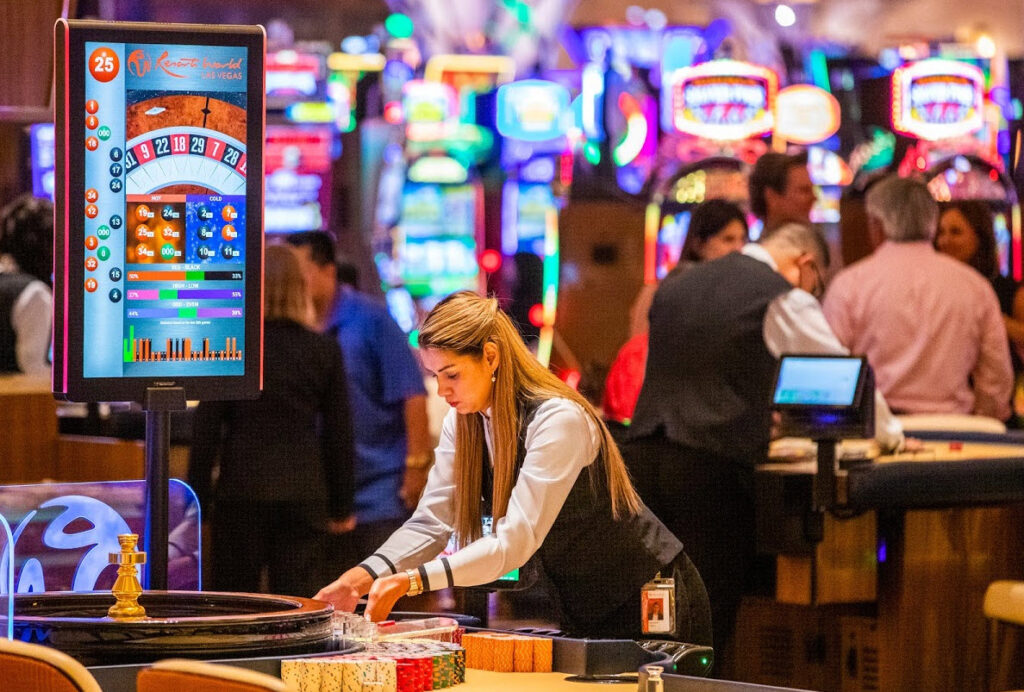
Conclusion: The Future of Casinos
The journey of casinos through time and culture reveals a rich tapestry of evolution influenced by societal changes, technological innovations, and human psychology. As gambling continues to adapt, the focus will likely shift toward creating immersive experiences that prioritize both entertainment and responsible gaming practices. The fusion of tradition with modernity will shape the future landscape of casinos, ensuring that they remain relevant in a rapidly changing world.
As we look forward, the impact of casinos on culture, economy, and social interaction will likely persist, continually evolving to reflect the values and interests of society. The interplay of technology, psychology, and cultural significance will drive the industry’s future, opening new avenues for players and reinforcing the enduring allure of casinos.
