
To date, observational studies have commonly adopted pooled nondrinkers as the unexposed referent category. However, nondrinkers are far from homogeneous, comprising both never and former drinkers. Former drinkers are particularly notable, displaying poorer health and higher levels of mortality than moderate and never drinkers (16).
Should you scale back your alcohol intake?
Therefore, try to avoid them unless you’re making them yourself. People often think of this as a “healthy” cocktail due to its vegetable content. However, the carb content of your drink may vary depending on what you mix the liquor with. For example, a 5-ounce (150-mL) serving of extra-dry champagne provides 1.7–2.5 grams of carbs.
How many carbs are in alcohol?
- Blood glucose regulation by insulin in healthy people and in people with type 1 or type 2 diabetes.
- Ultimately, insulin secretion declines even further, to levels below those seen in nondiabetics (although generally still higher than those seen in type 1 diabetics).
- You should also talk with your health care provider to see if it is safe for you to drink.
- If you’re choosing cocktails that are mixed with juice, mixers, or sugary sodas, this can raise your blood sugar levels, especially if you overdo it.
- Though some sugar alcohols come from fruits and vegetables, the ones used in processed foods are artificially produced.
The short answer is yes, but anyone living with diabetes should be mindful if they are going to drink. If yours is low, follow your physician’s recommendations, such as consuming some carbs to counteract the drop. The same is true of cocktails made with regular soda or mixers, simple syrup, and other types of added sugar, or fruit juice. Dessert wines contain considerably more sugar than other types of wine. Alcohol takes longer to be absorbed into your bloodstream if you have food in your stomach. Most importantly, if individuals wish to engage in moderate drinking, they should first discuss it with their doctor.
- Erythritol appeared to have milder effects on the stomach, only increasing nausea and gas when consumed in large doses.
- Alcohol can cause problems with diabetes because the liver prioritizes filtering alcohol over balancing blood glucose.
- Exposure reported in number of drinks was converted to grams per day assuming country-specific standard drinks (22).
- You may wonder if drinking alcohol is safe for people with diabetes.
- However, you should be aware of the potential for hypoglycemia, also called low blood sugar levels, when consuming them.
Alcohol and risk of low blood sugar
White wines, especially some types of Champagne, also generally have a low carb count. However, their carb content can be virtually the same as that of red wines. Busch beers are good alternatives for people with diabetes due to the low carb content of most of the brand’s products — including their beers that are not branded as low carb.
Duplicate publications were omitted and remaining publications screened to remove any that did not report a temporal association between alcohol exposure and type 2 diabetes. Screened publications were then independently short-listed against study selection criteria by two authors, with one-third reviewed by all three authors. Differences of opinion were resolved via the input of the third reviewer, and the majority decision was upheld where a publication was reviewed by all three reviewers. The degree of agreement between reviewers was determined using the Cohen and Fleiss κ (21) statistics. Avoid drinking traditional cocktails, dessert wines, and cream liqueurs, because they’re generally high in sugar. While there are some diabetes-friendly cocktails, such as the ones mentioned above, traditional cocktails are generally very high in added sugars.
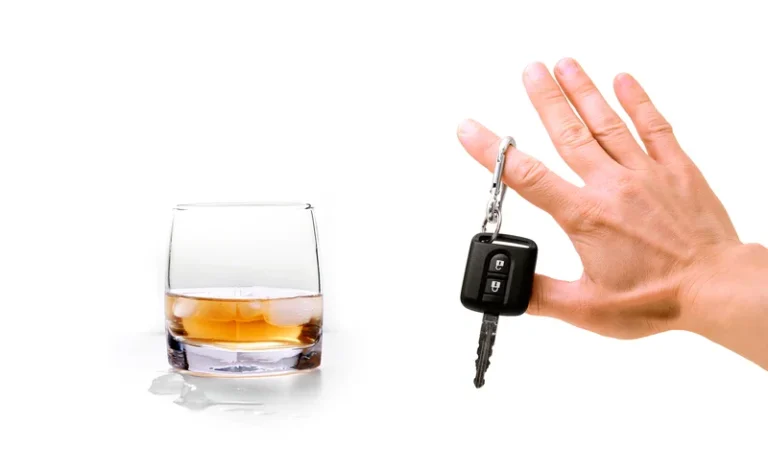
Who Should Not Drink Alcohol?
They should also remember that some diabetes medications may not work if they consume too much alcohol. Regarding alcohol and diabetes, blood-sugar-reducing medications, such as insulin, increase the risk of low blood sugar, and alcohol increases the risk. Symptoms of low blood sugar include shakiness and confusion and must be treated immediately. However, excessive alcohol consumption increases the risk of hypoglycemia (low blood sugar), hyperglycemia (high blood sugar), liver disease, and more. If you have high blood pressure, avoid alcohol or drink alcohol only in moderation.

Alcohol can cause people to be more sensitive to insulin for a period of time.1 If someone living with diabetes consumes alcohol, they may need less insulin for carbohydrates and they should keep a fast-acting carbohydrate with them. Don’t use dangerous equipment, or engage in activities that require coordination, concentration, or alertness. Don’t take a hot bath, hot tub or sauna because the heat combined with the alcohol may cause your blood pressure to drop too much. ALWAYS consume alcohol with a meal or snack that contains carbohydrates. This happens when the body doesn’t produce enough insulin or does not respond to insulin as it should.
If someone with diabetes chooses to drink alcohol, the ADA recommends limiting consumption to a moderate intake. This translates to one drink per day for females and up to two per day for males. When people with diabetes and alcohol type 2 diabetes drink alcohol, it comes with risks. However, it does not mean people with type 2 diabetes cannot drink alcohol. The risks depend on how much alcohol a person consumes, as well as the type.
USDA National Nutrient Database UCSF Medical Center 7/05
When it comes to alcohol and diabetes, two related factors come into play — how diabetes medications and alcohol coexist in your system and the effect that drinking has on your liver. This happens because the liver stores carbohydrates and releases them into the blood between meals and overnight to stabilizes blood sugar. The liver is also responsible for breaking down alcohol so the kidneys can flush it out of the body. A 2015 meta-analysis reviewed 38 cohort studies to determine whether alcohol is a risk factor for diabetes. It found moderate consumption appeared to offer some protection against the condition in women and Asian populations, while heavy consumption raised the risk in almost all groups.
